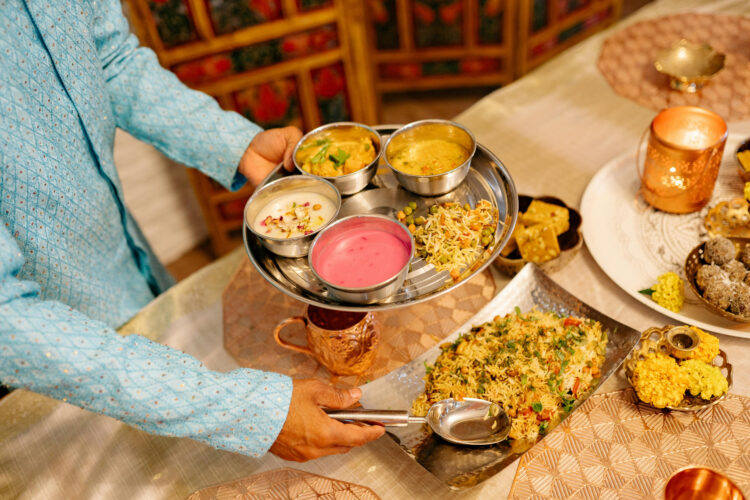
The stories behind your favourite Indian dishes reveal a rich history of culture, tradition, and culinary innovation. Every popular dish has a unique origin, shaped by migration, royal kitchens, and regional influences. By exploring the stories behind your favourite Indian dishes, you can understand how these recipes evolved and became part of everyday cooking.
Why Indian Dishes Have Fascinating Stories
Indian cuisine reflects centuries of cultural exchange and regional diversity. In addition, different communities have contributed their own cooking styles and ingredients. Therefore, many dishes carry stories of adaptation and creativity. Moreover, these stories show how simple ingredients turned into iconic recipes enjoyed across the world.
Popular Stories Behind Your Favourite Indian Dishes
Butter Chicken (Murgh Makhani)
Butter chicken originated in Delhi during the 1940s. Chefs at the famous Moti Mahal restaurant created this dish by combining leftover tandoori chicken with a rich tomato-based gravy and butter. As a result, they produced a creamy and flavorful curry that quickly became popular worldwide. Today, butter chicken stands as one of the most recognized Indian dishes globally.
Biryani
Biryani traces its roots to Persian cuisine and Mughal influence in India. Royal chefs refined this dish by combining rice, spices, and meat or vegetables into a flavorful one-pot meal. Over time, different regions created their own versions, such as Hyderabadi and Kolkata biryani. As a result, biryani evolved into a diverse and widely loved dish across India.
Samosa
Samosa did not originate in India but came from Central Asia and the Middle East. Traders introduced it to India, where cooks adapted it by filling it with spiced potatoes and vegetables. As a result, it became one of the most popular street foods in the country.
Chole Bhature
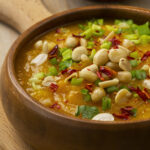
Chole bhature developed in the northern regions of India, especially in Delhi and Punjab. Street vendors popularized this dish by serving spicy chickpeas with fluffy fried bread. Over time, it became a favorite breakfast and comfort food across the country.
Gulab Jamun
Gulab jamun has roots in Persian desserts, particularly a dish called “luqmat al qadi.” Indian cooks adapted the recipe by using khoya or milk solids and soaking the fried balls in sugar syrup. As a result, gulab jamun became a staple dessert during festivals and celebrations.
How These Dishes Evolved Over Time
Many Indian dishes evolved through trade, migration, and regional adaptation. For example, foreign recipes blended with local ingredients to create unique flavors. In addition, royal kitchens introduced rich cooking techniques, while street food culture made dishes more accessible. Therefore, Indian cuisine continues to grow and adapt while preserving its traditional roots.
Why Food Stories Matter
Food stories connect people to culture and history. When you understand the origin of a dish, you appreciate its flavors even more. Moreover, these stories highlight creativity and innovation in cooking. They also show how food brings people together across regions and generations.
Final Thoughts
The stories behind your favourite Indian dishes go beyond recipes and ingredients. They reflect history, culture, and creativity that have shaped Indian cuisine over time. By learning these stories, you gain a deeper connection to the food you enjoy every day.