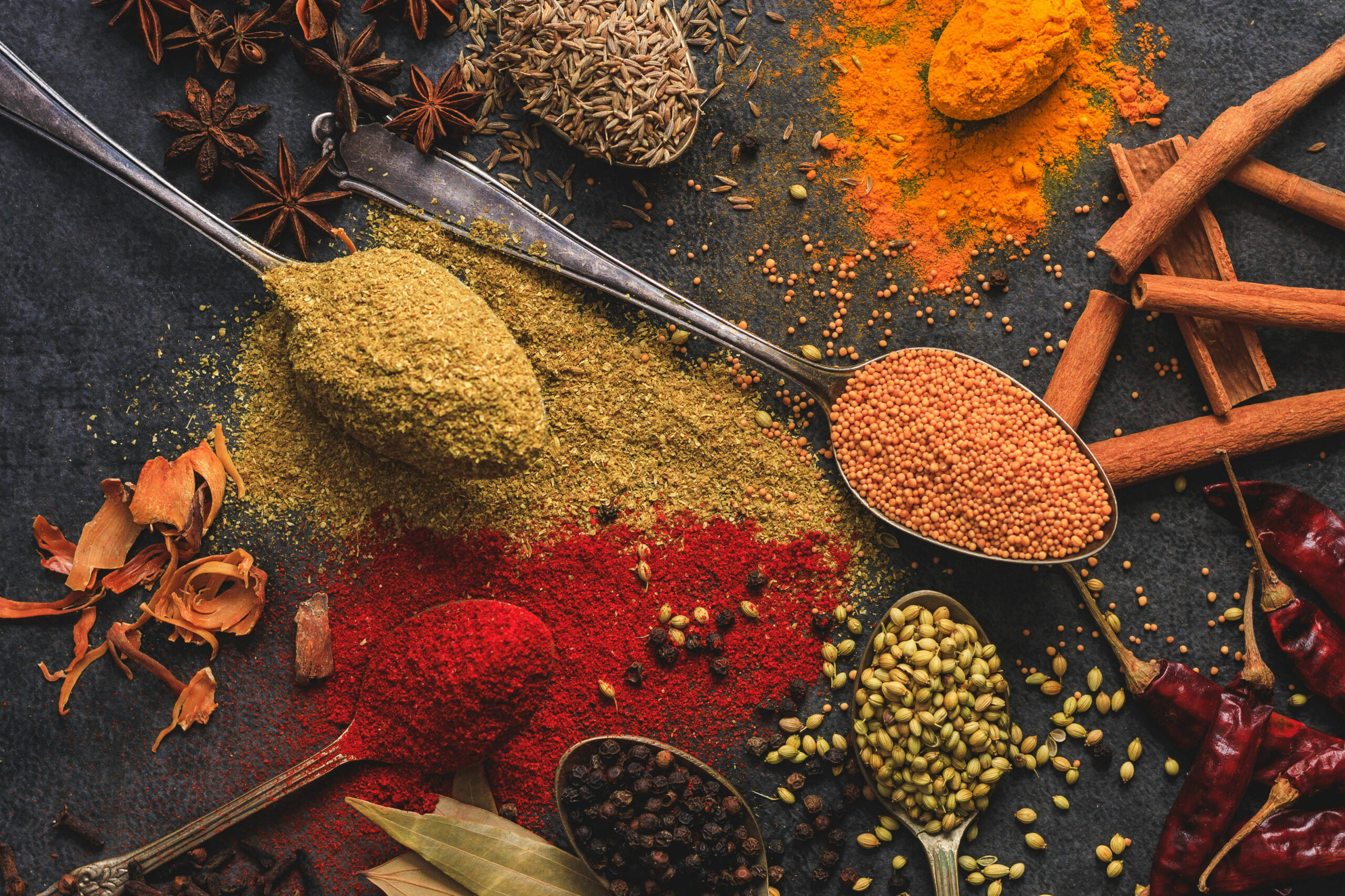
This beginner’s guide to using Indian spices helps you understand essential spices, their uses, and how to cook with them effectively. Indian spices add flavor, aroma, and color to dishes, and they play a key role in everyday cooking. With this beginner’s guide to using Indian spices, you can confidently prepare delicious and authentic meals at home.
Why Indian Spices Are Important in Cooking
Indian spices enhance the taste and aroma of food. In addition, they provide health benefits and support digestion. Therefore, when you use spices correctly, you can transform simple ingredients into flavorful dishes. Moreover, spices help you balance flavors by combining heat, sweetness, and earthy notes.
Essential Indian Spices for Beginners
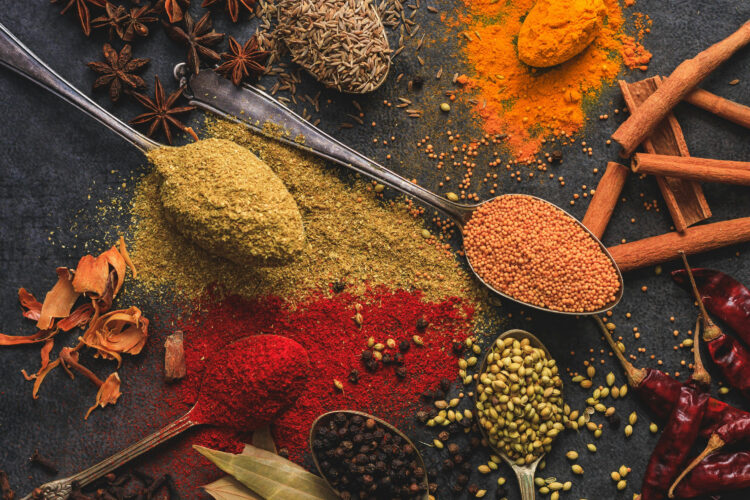
- Turmeric (Haldi) – Turmeric adds a bright yellow color and a mild earthy flavor to dishes. Cooks use it in curries, rice dishes, and vegetables. It also improves the overall taste and appearance of food.
- Cumin Seeds (Jeera) – Cumin seeds bring a warm and nutty flavor to dishes. You can heat them in oil at the beginning of cooking to release their aroma. This step adds depth to curries, dals, and rice dishes.
- Coriander Powder – Coriander powder delivers a mild citrus flavor that balances spicy dishes. It blends well with other spices and creates a smooth, well-rounded taste in curries and gravies.
- Garam Masala – Garam masala adds warmth and richness to dishes. You should add it at the end of cooking to preserve its aroma. This spice blend gives Indian recipes their signature flavor.
- Red Chili Powder – Red chili powder adds heat and vibrant color to food. You can adjust the quantity based on your spice tolerance. This flexibility helps you control the overall spice level of your dish.
How to Use Indian Spices Correctly
Use fresh spices to get the best flavor. Choose whole spices when possible and grind them when needed. Heat spices in oil at the beginning of cooking to release their aroma. This process, known as tempering, plays an important role in Indian cooking.
Avoid adding too many spices at once. Instead, combine a few spices in the right proportions to maintain balance. Add garam masala or finishing spices toward the end to preserve their flavor and aroma.
Tips for Storing Indian Spices
Store spices in airtight containers to keep them fresh. Place them in a cool and dry area away from direct sunlight. Label your containers clearly so you can find spices quickly. Proper storage helps maintain flavor and extends shelf life.
Common Mistakes to Avoid
Many beginners add too many spices, which can overpower a dish. Others add spices at the wrong stage, which reduces flavor. Always use the right quantity and follow proper timing. Also, avoid using stale spices because they lose their aroma and impact.
Final Thoughts
This beginner’s guide to using Indian spices gives you a strong foundation for cooking. When you understand how spices work, you can cook with more confidence. Start with simple recipes, and then experiment with different spice combinations to improve your skills.